Is Bamboo Wood? | dassoXTR
By
Avery Chua
Posted on
Thursday, July 16, 2026 12:12 PM
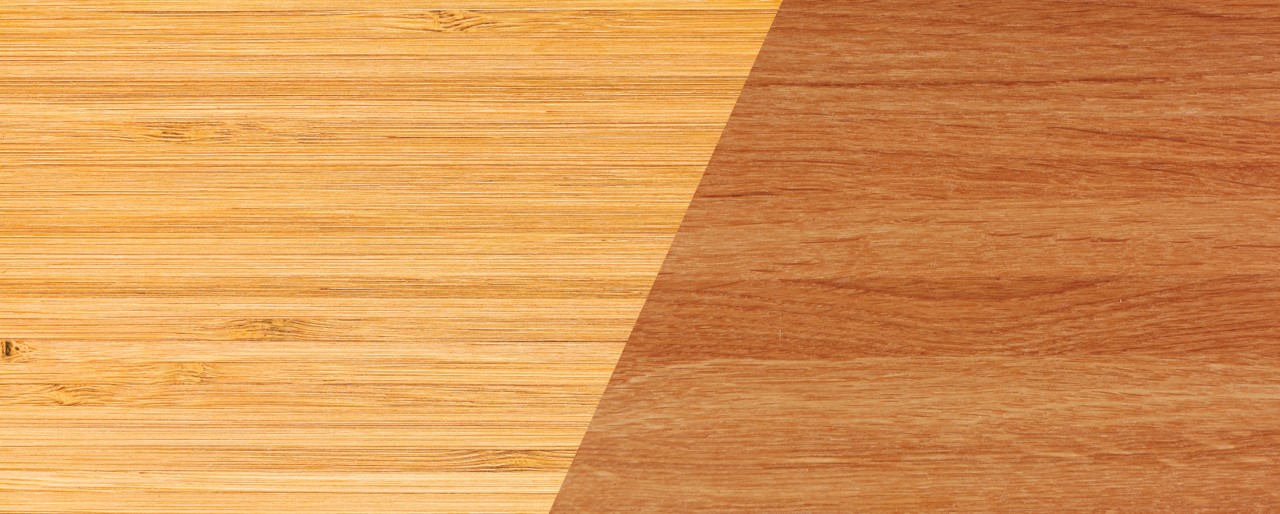
There is a common misconception that bamboo wood is just another type of lumber, but it is technically not a type of wood at all. Rather, it is a member of the grass family. Once you know this, you’ll understand why bamboo has become one of the most popular and widely used sustainable materials for construction projects and outdoor living spaces.
What You’ll Learn
- How bamboo is different from traditional wood and lumber.
- How bamboo is grown, and how it reaches maturity quicker than most hardwoods.
- The main differences between bamboo and wood in terms of structure, manufacturing, and performance.
- Why bamboo is seen as one of the most sustainable and renewable building materials available today.
- The benefits of using bamboo for construction projects, such as decking, cladding, and outdoor spaces.
We’ve put together a helpful guide to get the main facts about bamboo and whether it’s a tree or a type of wood. You’ll learn how bamboo grows, how it's manufactured, and how it differs in several ways from conventional lumber. You will also find out why many architects, builders, and homeowners prefer using bamboo for construction, decking, siding, and other building projects.
Bamboo vs. Wood: Key Differences You Should Know
The main difference between bamboo and wood is that bamboo is a grass, whereas wood comes only from trees. So even though the final products might appear quite similar, their biological structure and makeup are quite different.
Different growth nature
For example, oak, maple, and teak trees have visible annual growth rings, resulting in a tell-tale circular grain pattern. In contrast, bamboo grows through hollow stems, or culms, that emerge from underground rhizome root systems. It is this difference in growth that gives bamboo its excellent strength and sustainability.
Growth speed: bamboo grows fast!
One of the main reasons bamboo is growing in popularity is that it grows quickly. Some varieties can grow several feet per day, reaching harvestable age in only three to five years. Compare that to many other types of timber, which cannot be harvested until they are decades old. Bamboo has a clear advantage in this respect.
Manufacturing process
There are also major differences in their manufacturing processes, where raw bamboo is cut, compressed, treated, and bonded together. This different process creates a very durable building material that can be applied outdoors under very demanding environmental conditions.
Bamboo like hardwood
In many respects, bamboo has a lot in common with hardwood when it comes to material properties. When produced correctly, bamboo products are stable, wear-resistant, and exceptionally strong. Certain engineered bamboo decking products are designed to withstand commercial use without changing appearance over time.
Physical characteristics
There is variation in the physical characteristics of bamboo across species. Culms can grow to relatively large heights with a substantial diameter, depending on which type is being cultivated.
Bamboo for commercial purposes
Bamboo is increasingly used for commercial projects and uses, such as bamboo furniture, structural panels, flooring, and exterior decking. Thanks to this diversity and flexibility of uses, bamboo has proven to be a perfect alternative to timber.
Why Bamboo Is a Better Choice Than Wood?
Bamboo delivers many advantages for construction projects and in most cases, it’s simply the better option.
Bamboo is sustainable
One of the main advantages of bamboo is its sustainability. Bamboo has an excellent regenerative process, regrowing from its own roots after harvest without the need for replanting. This lifecycle is far more sustainable than the cycle of slow-growing trees, which need immediate replanting after harvest.
Better performance
Bamboo also performs very well. Thanks to their engineered nature, bamboo materials are very durable and look natural. Bamboo’s beauty makes it ideal for luxurious home design and commercial construction.
Resource efficiency
Bamboo is also resource-efficient, as it grows fast. The amount of usable material per acre can be significantly larger than for other wood types.
For sustainability, looks, and performance, bamboo is an increasingly popular and practical option for environmentally conscious construction and design work.
Why is Bamboo a Great Decking Material?
For any decking project, longevity and appearance matter, which makes bamboo a better choice compared to many other materials.
Durable material
Bamboo products and the technology used in their construction are extremely durable, with improved density. They can withstand almost any weather conditions and keep their appearance for years.
Sustainable sourcing
Many designers and contractors like using bamboo because of its sustainable nature. Since it can be grown on a short rotation, it produces material year after year with no replanting. This contrasts with wood products; the use of bamboo helps conserve valuable forest resources.
Stability
Bamboo is well known for its stability, especially for decking purposes. The engineering manufacturing process delivers stability to the boards; they resist movement and show consistent performance under all types of difficult climatic conditions. These features make bamboo an excellent choice for residential decks, commercial walkways, and rooftop tiles.
Looks and esthetics
Bamboo looks good, and aesthetics matter in construction projects. One of bamboo’s selling points is that it looks different from regular lumber. With different finishes available, decking can feature natural colors, dark carbonized shades, and even red undertones that can match virtually any contemporary design.
It’s not hard to see how bamboo makes for a smart ecological, economical, and sustainable choice for all of your decking needs. Contact us today to find out more!
Frequently Asked Questions
Is bamboo actually wood?
No, bamboo is not wood; it is a type of grass. It can, however, be converted to produce materials and objects that mirror what traditional lumber can do, with added advantages. For example, it can be stronger than wood, more durable, and resistant to mold and humidity.
How long does bamboo take to grow?
Bamboo grows much faster than wood. Most commercially grown bamboo matures in 3 to 5 years.
What makes bamboo special?
What really makes bamboo special is its rapid growth, renewability, strength, and versatility. Compared to other natural construction materials, it can be more resistant to mold and humidity, and it’s ideal for applications near large bodies of water such as lakes, rivers, or the ocean.
Is bamboo good for building applications?
Absolutely. Thanks to its strength, durability, sustainability, and natural beauty, bamboo is increasingly used in building construction applications.
Why is bamboo becoming more popular?
Bamboo is turning into a popular and better alternative to wood, thanks to its environmental advantages, performance, and renewable supply. Bamboo has become the preferred option for many modern outdoor living solutions.
Avery Chua
Avery Chua has over 30 years of manufacturing and product development in the wood and bamboo-based industry. He has worked across industry mostly in the pioneering stage of production involving MDF, plywood, adhesives and modern coatings. He wears many hats throughout his journey ranging from technologist, quality control, production, R&D, product development and market expansion. His knowledge comes handy in integrating usage of wood, bamboo, adhesives and coatings.